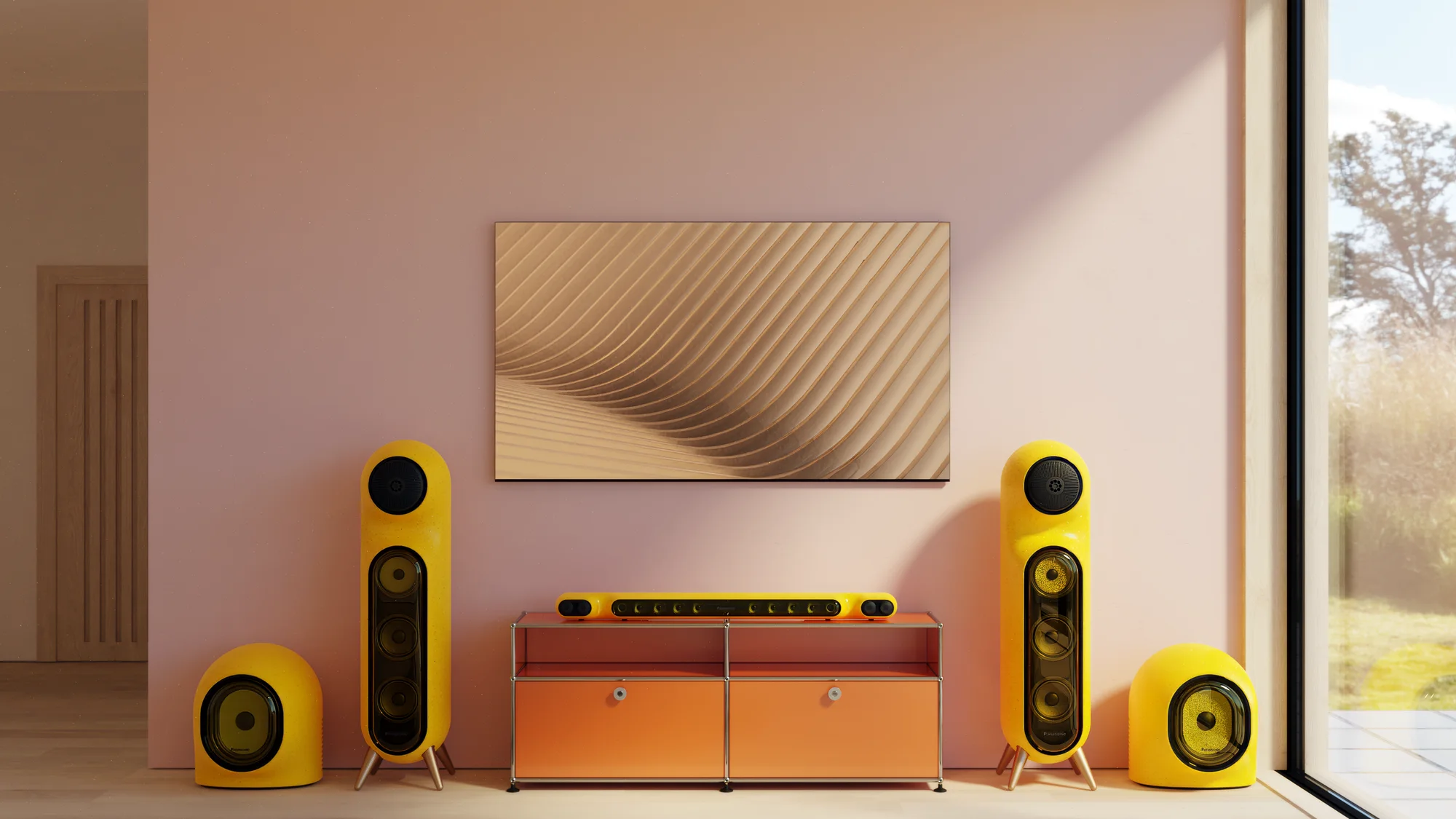
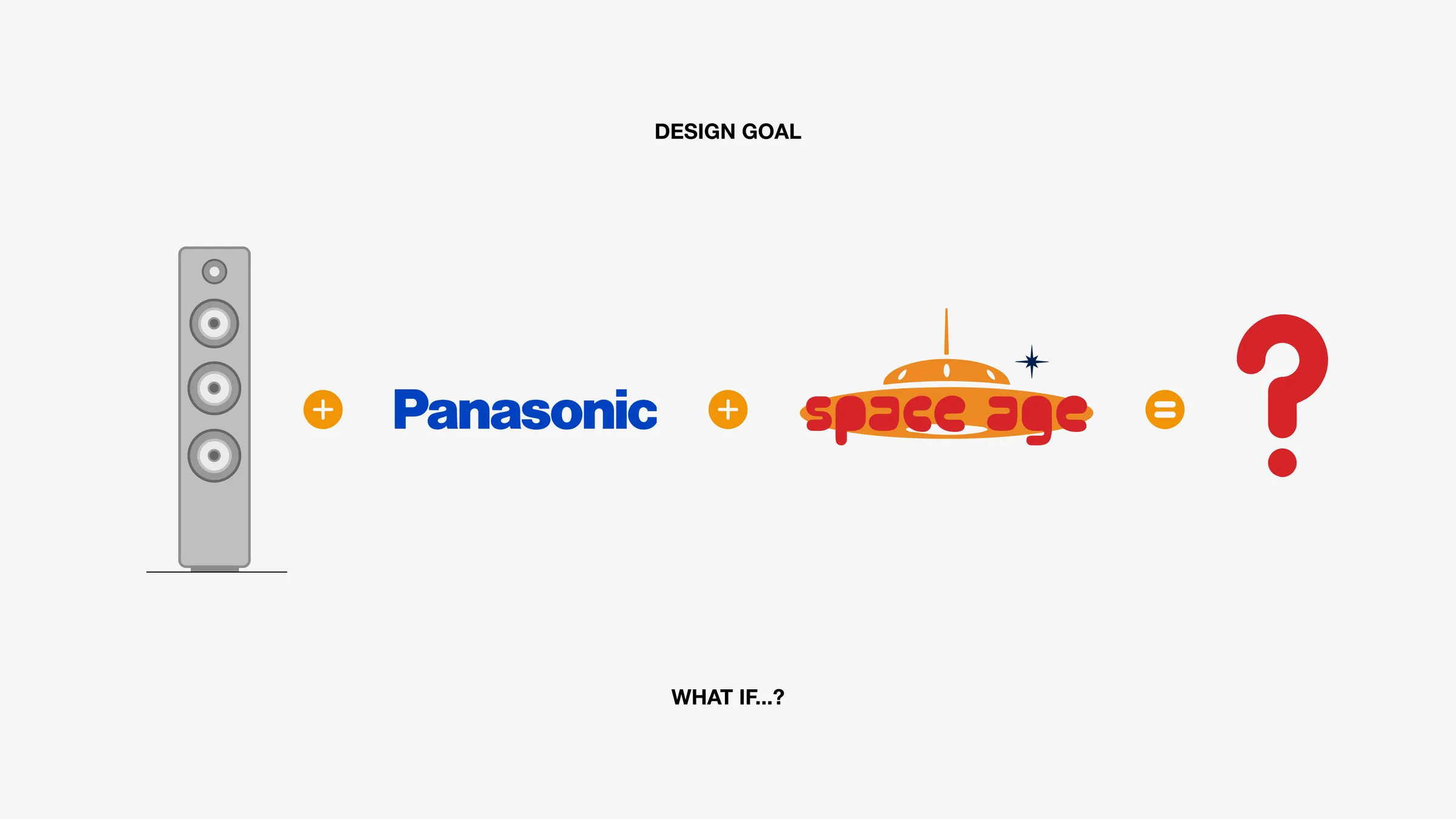
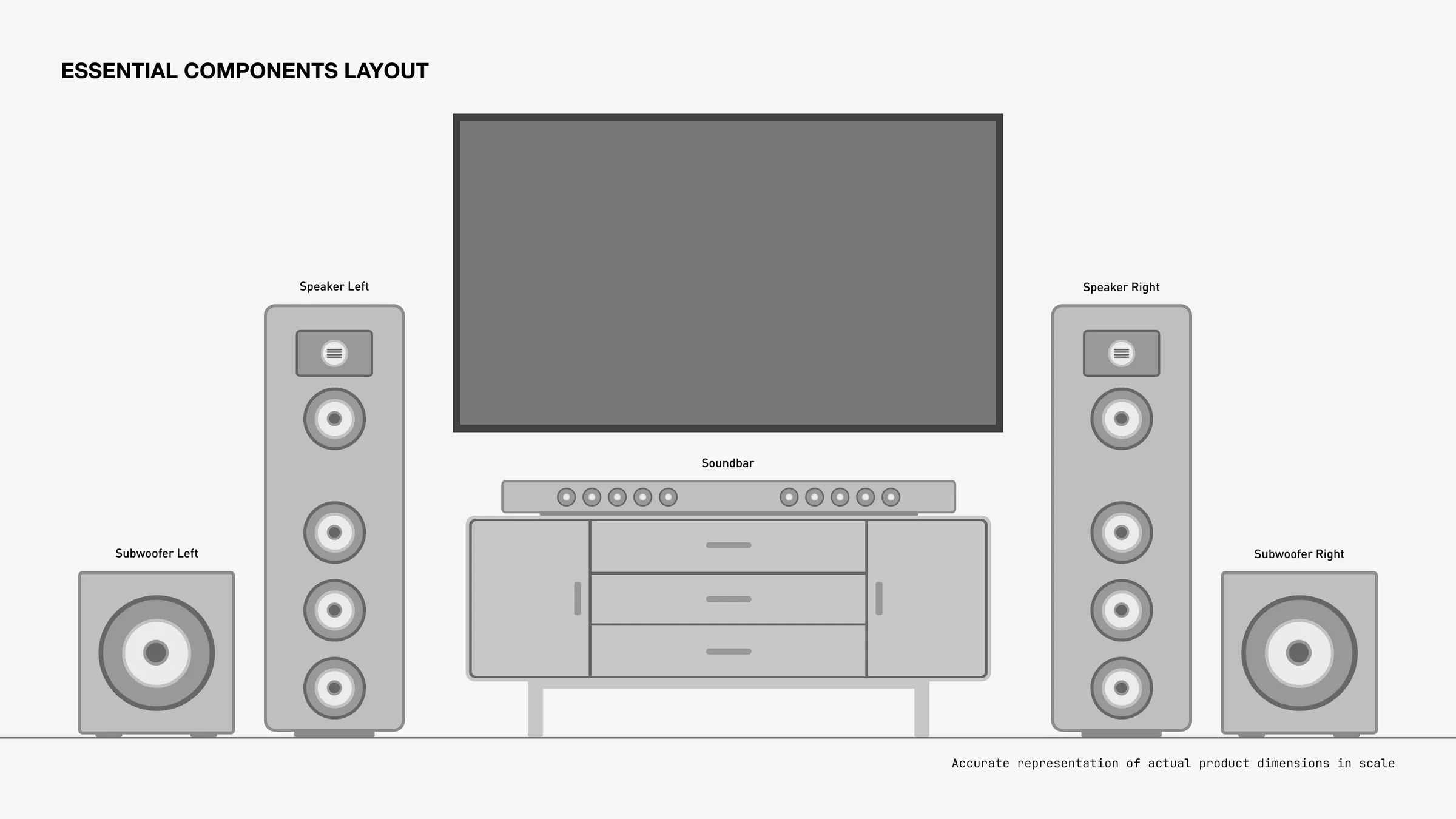
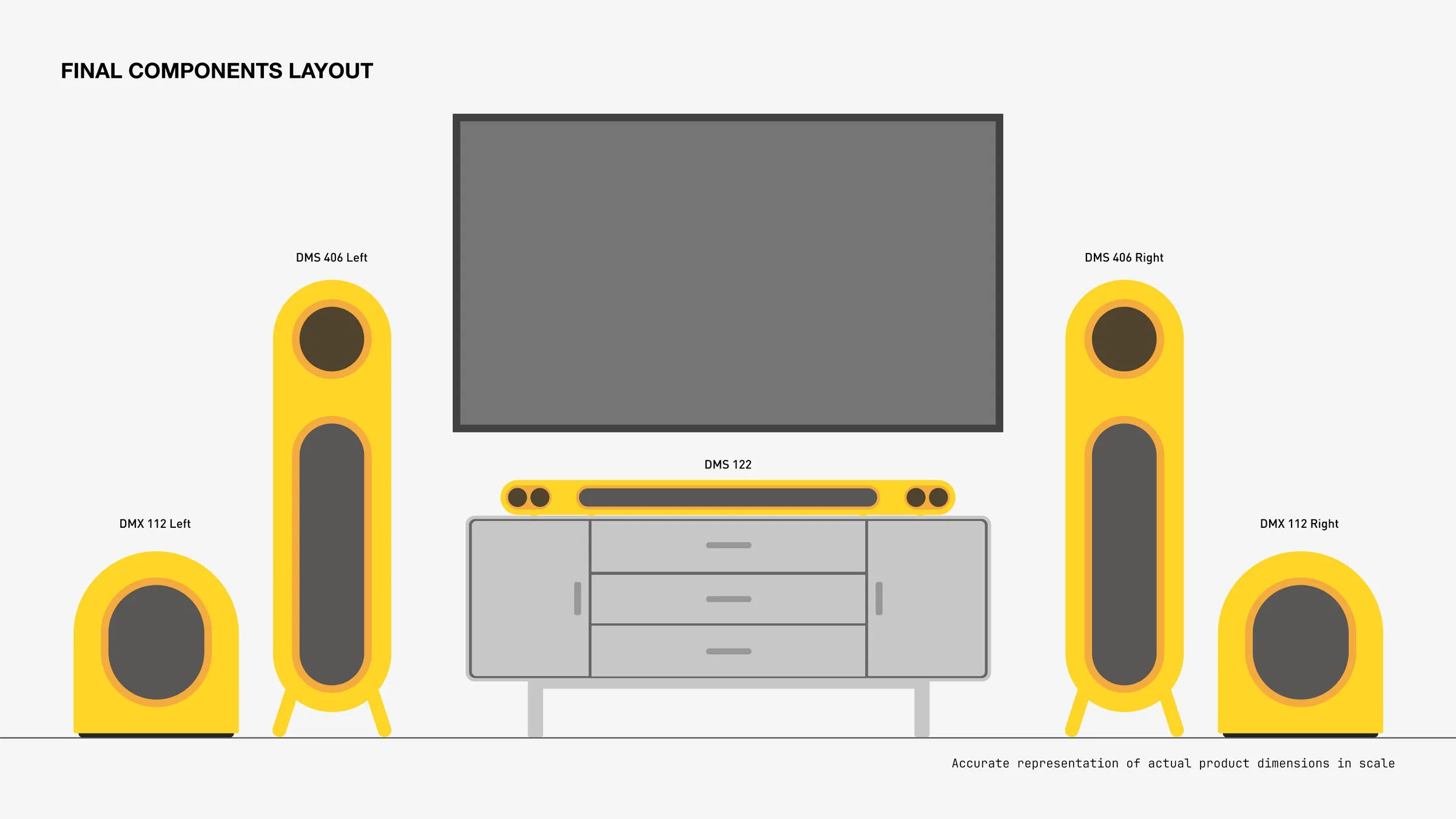
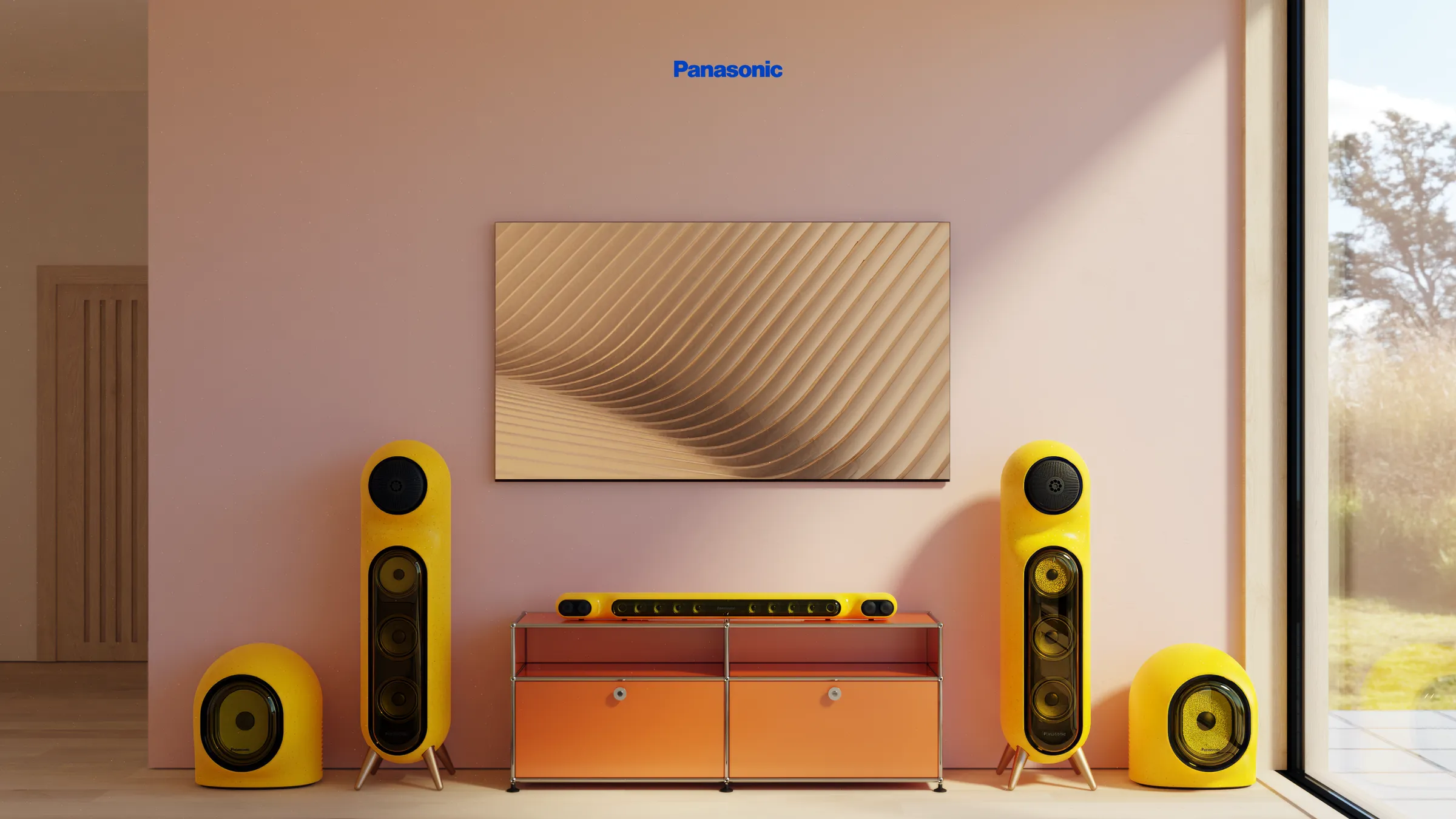
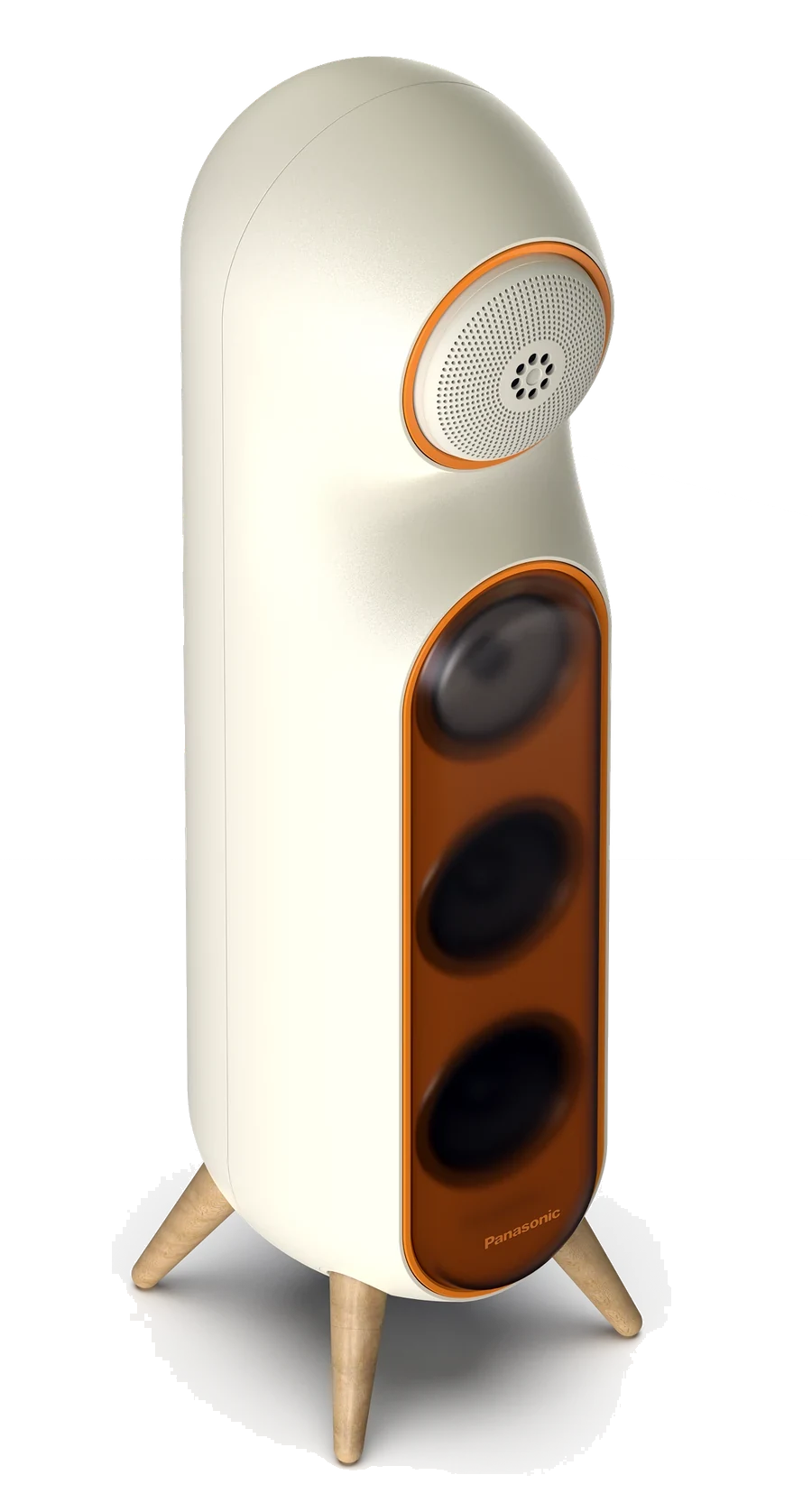
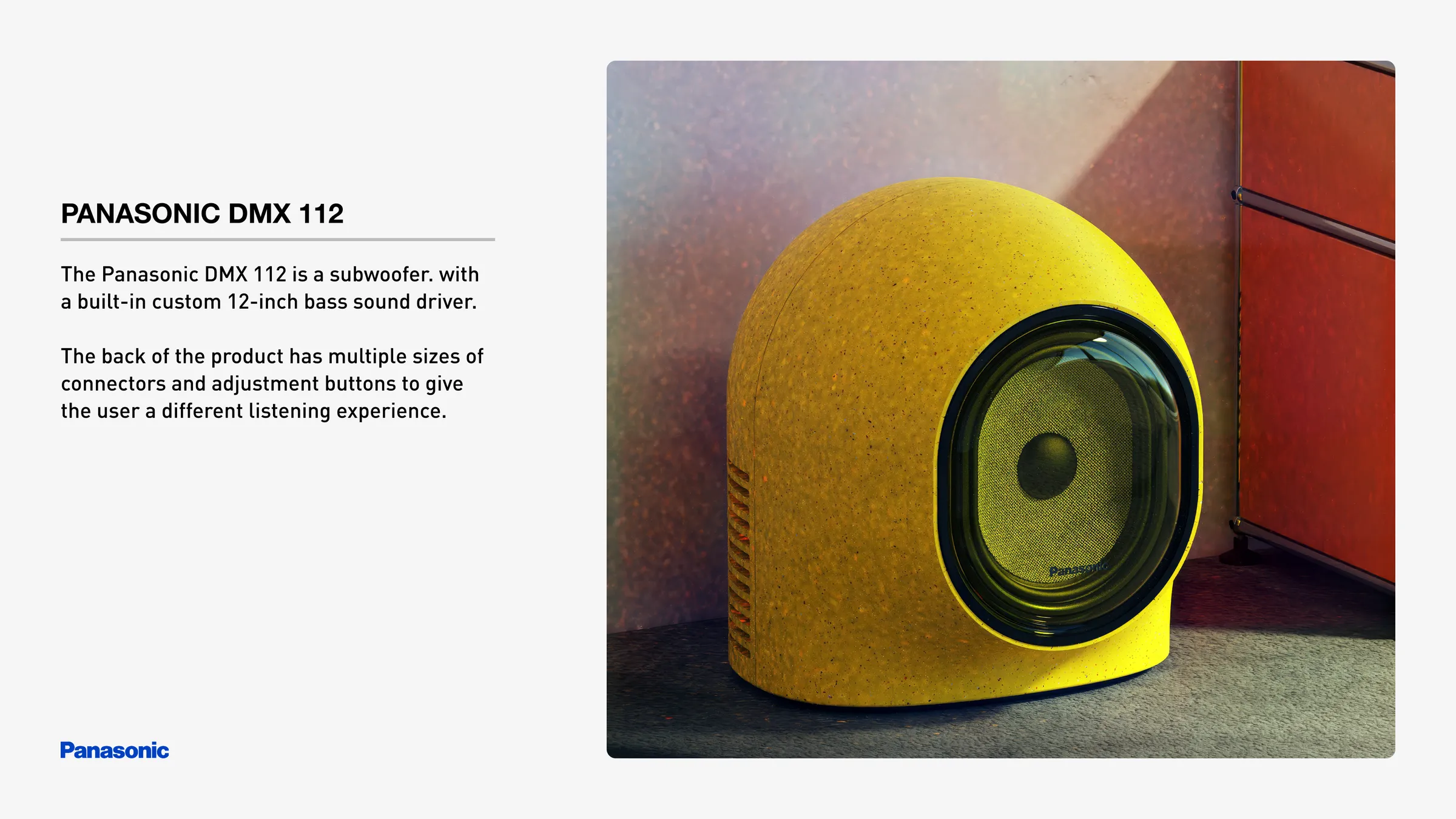
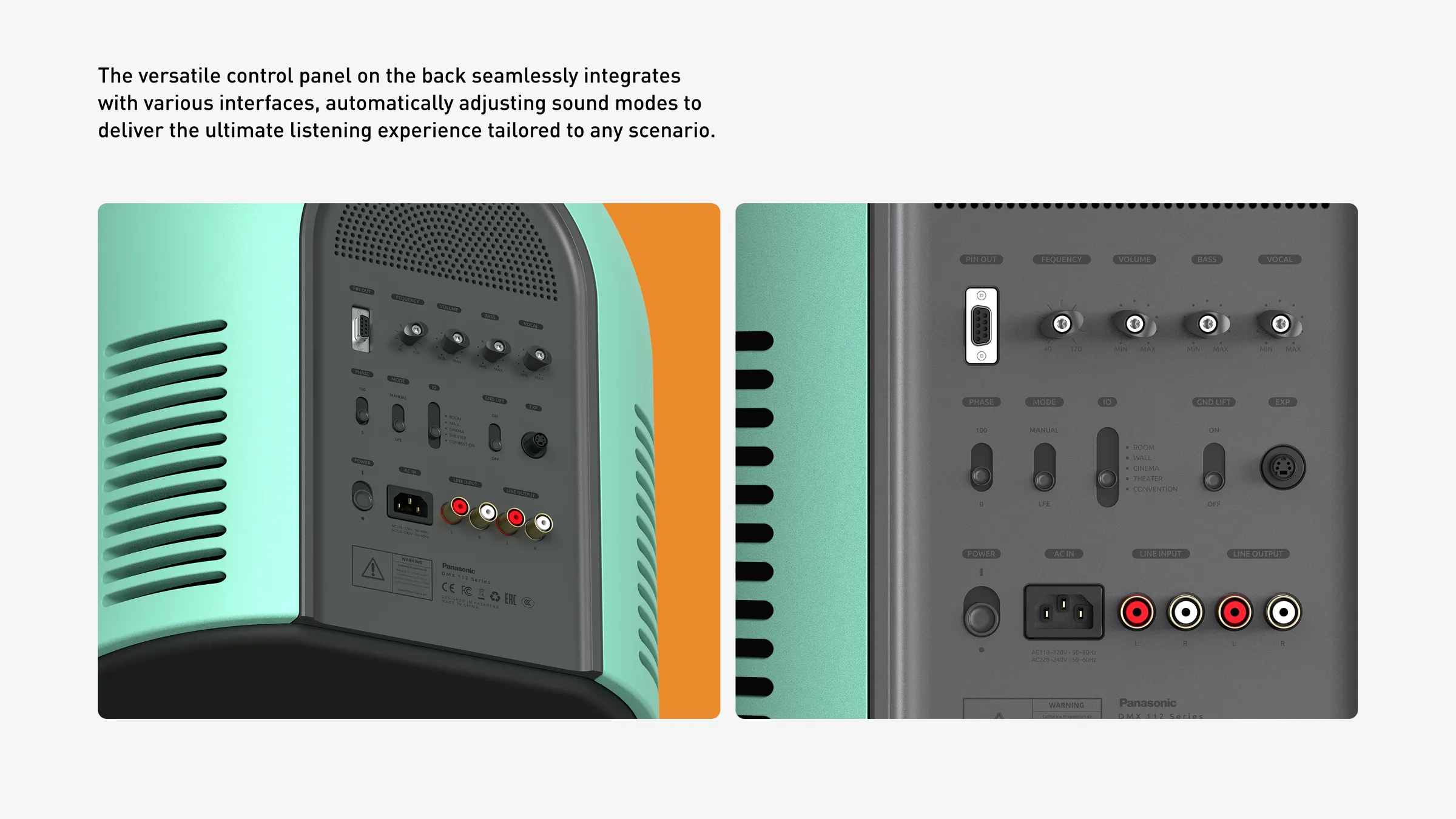
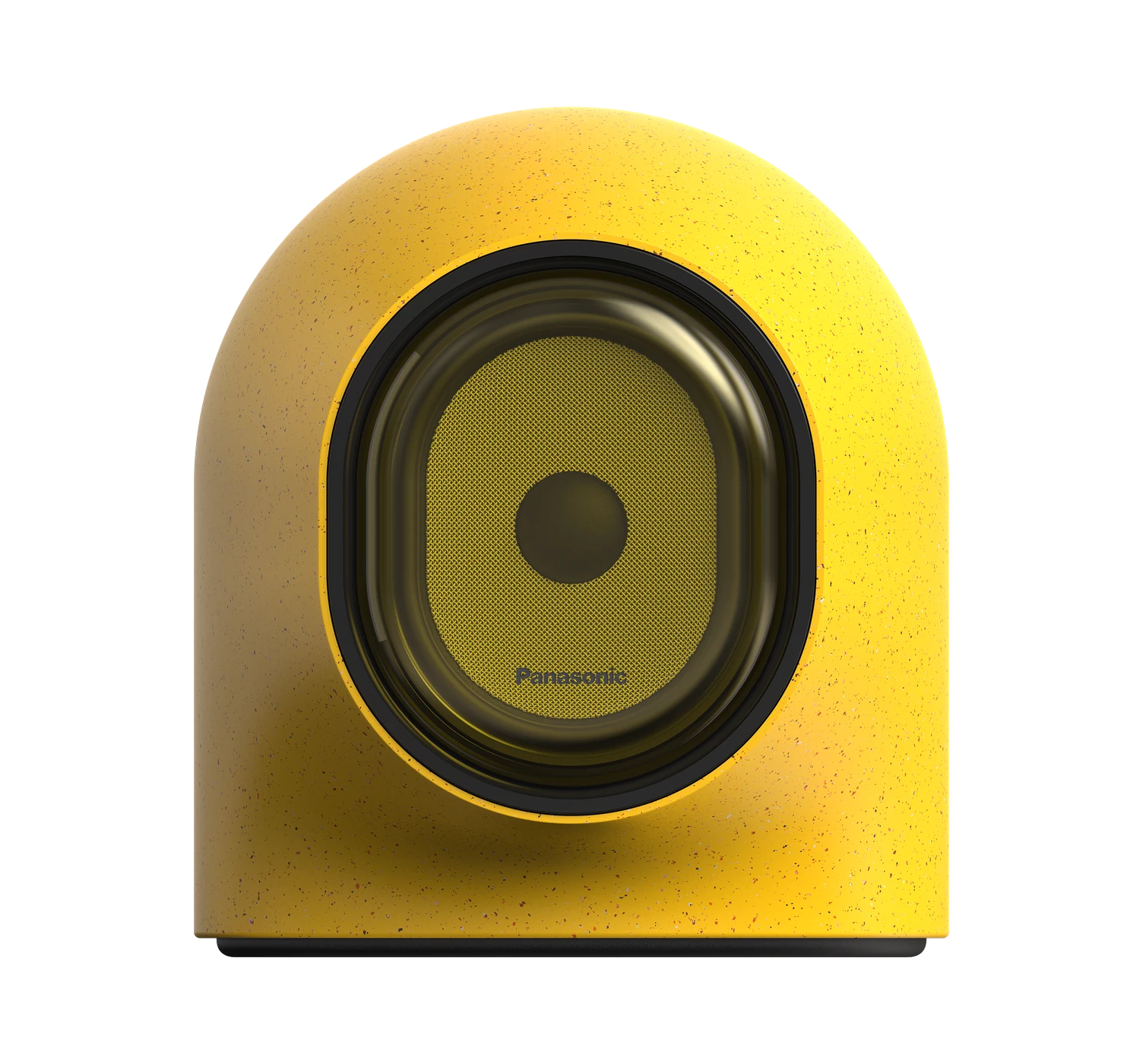
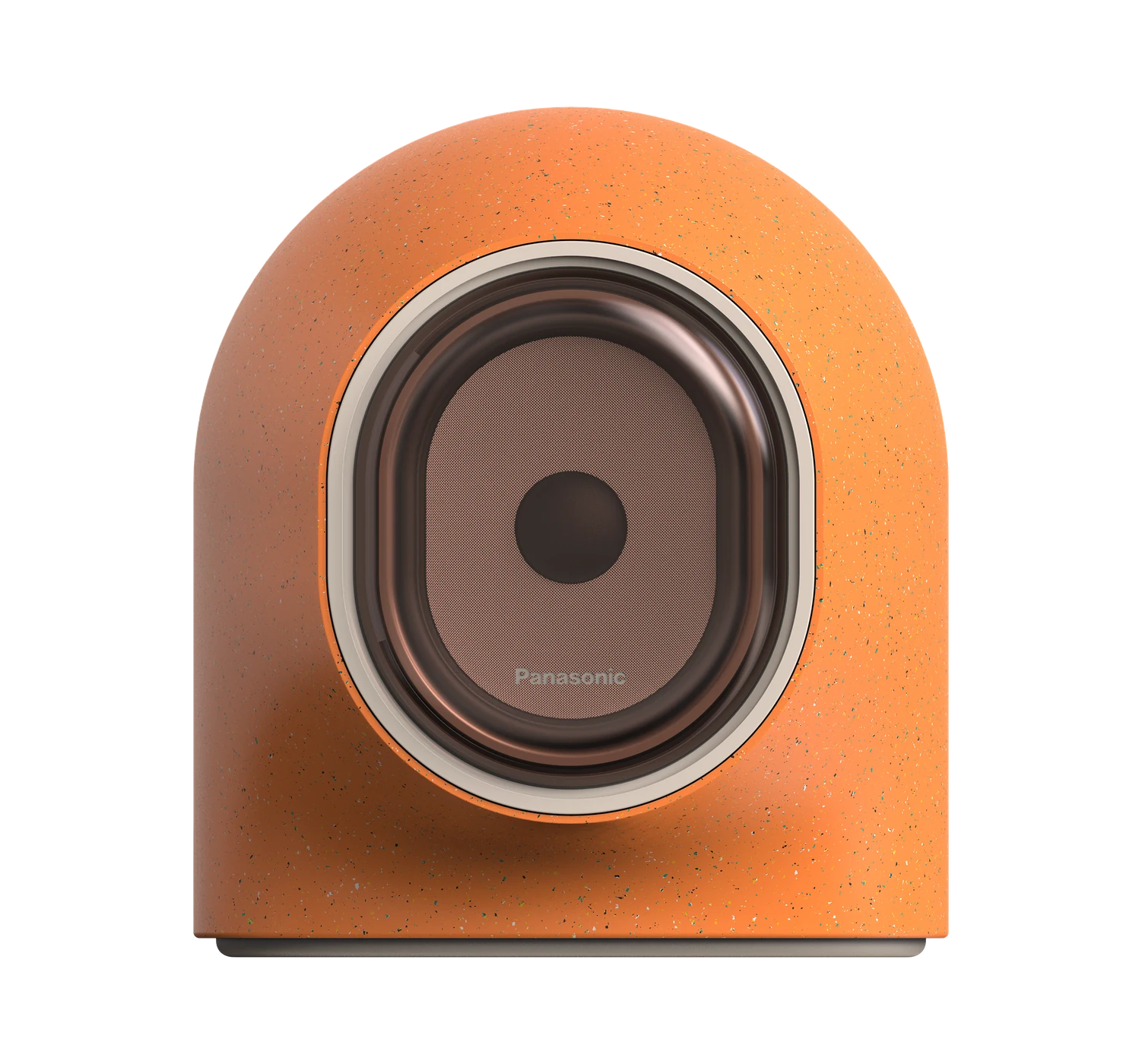
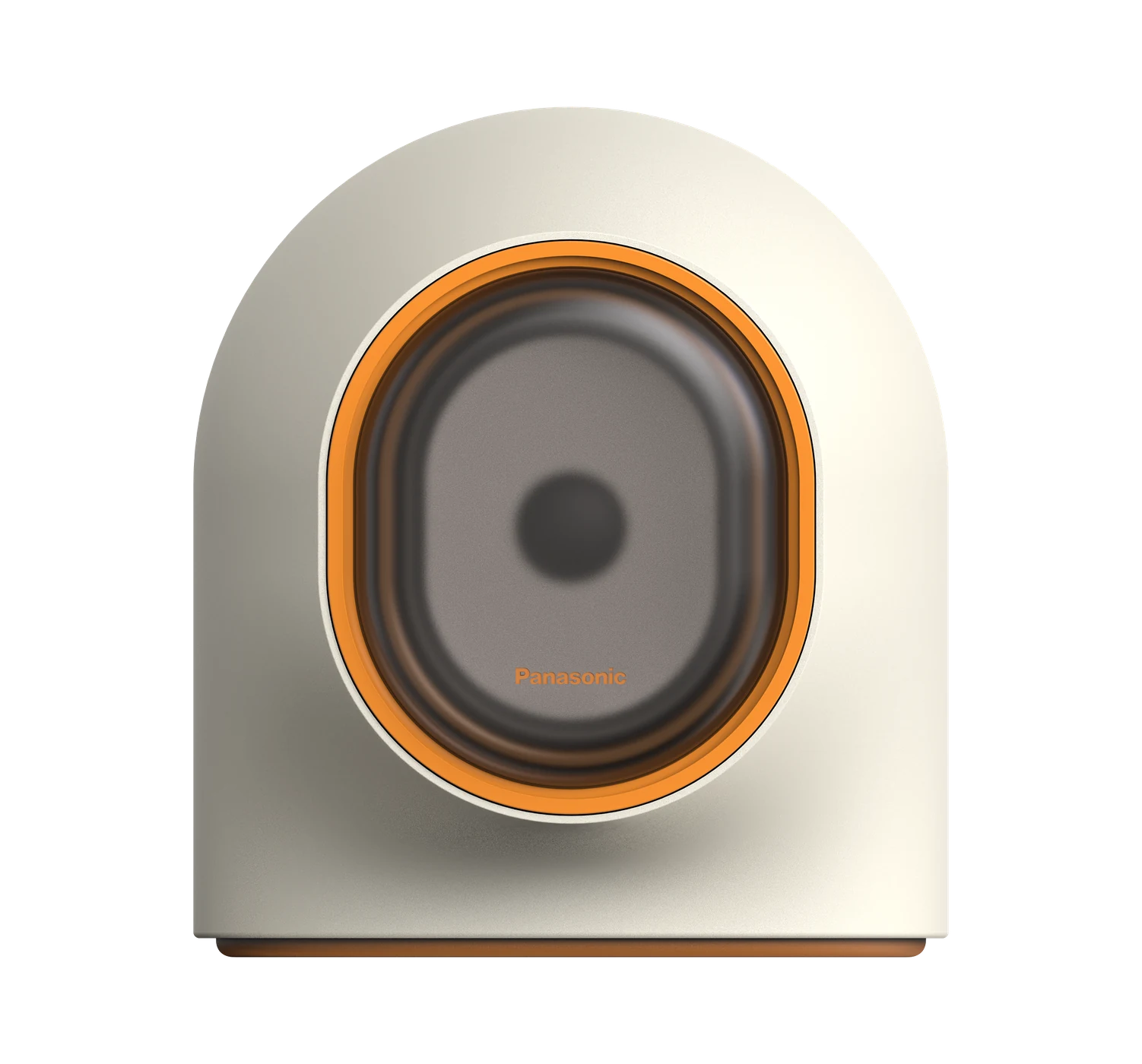
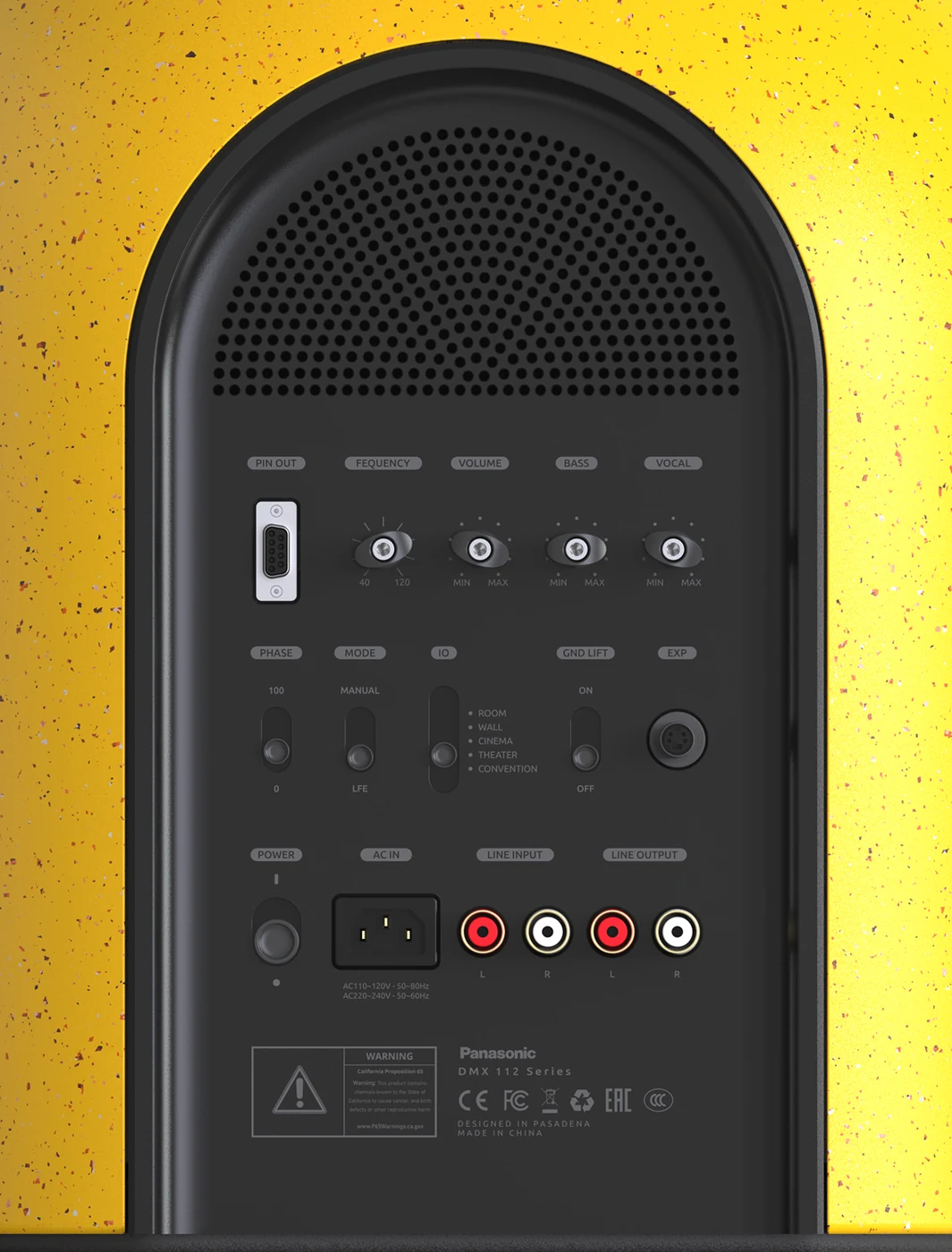
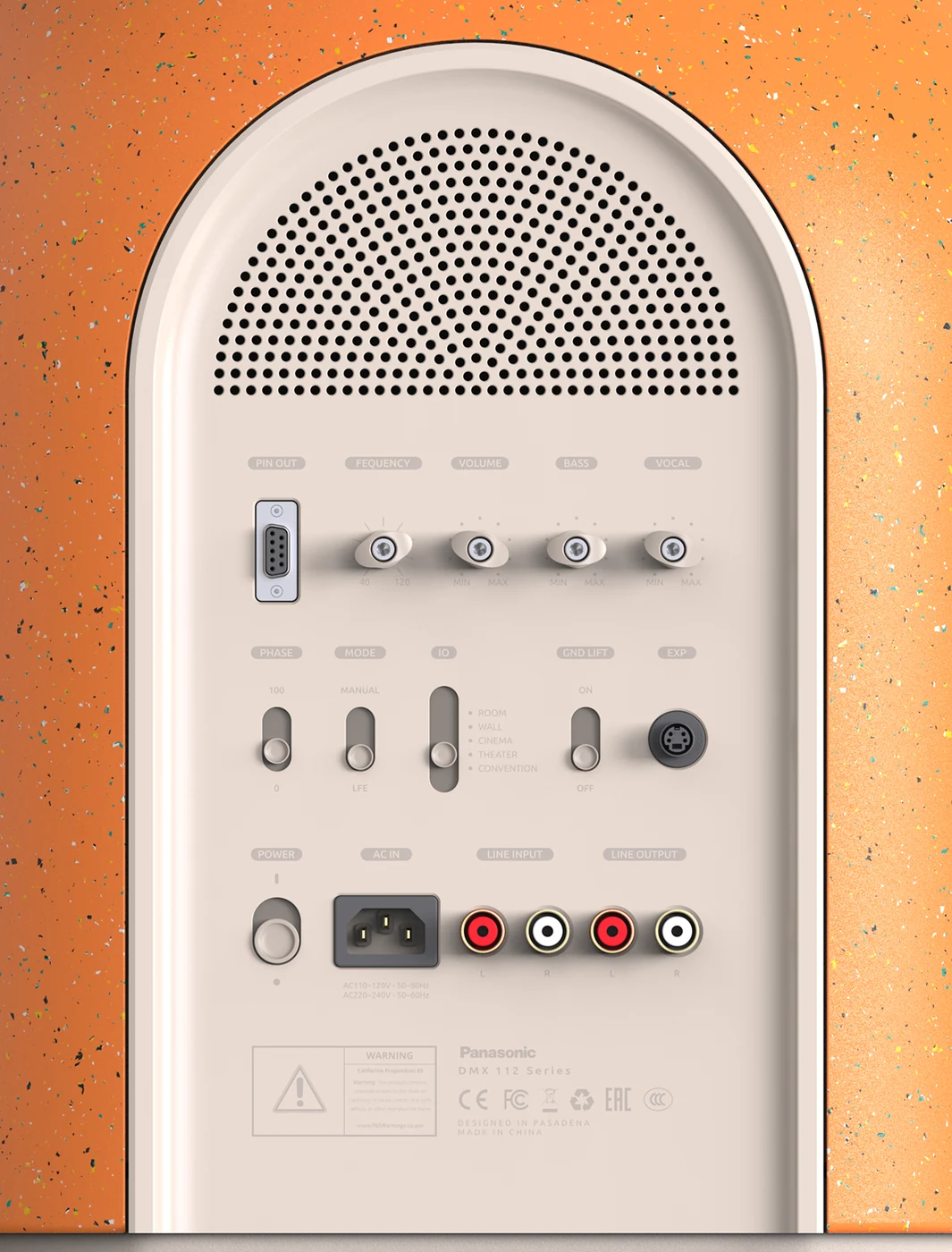
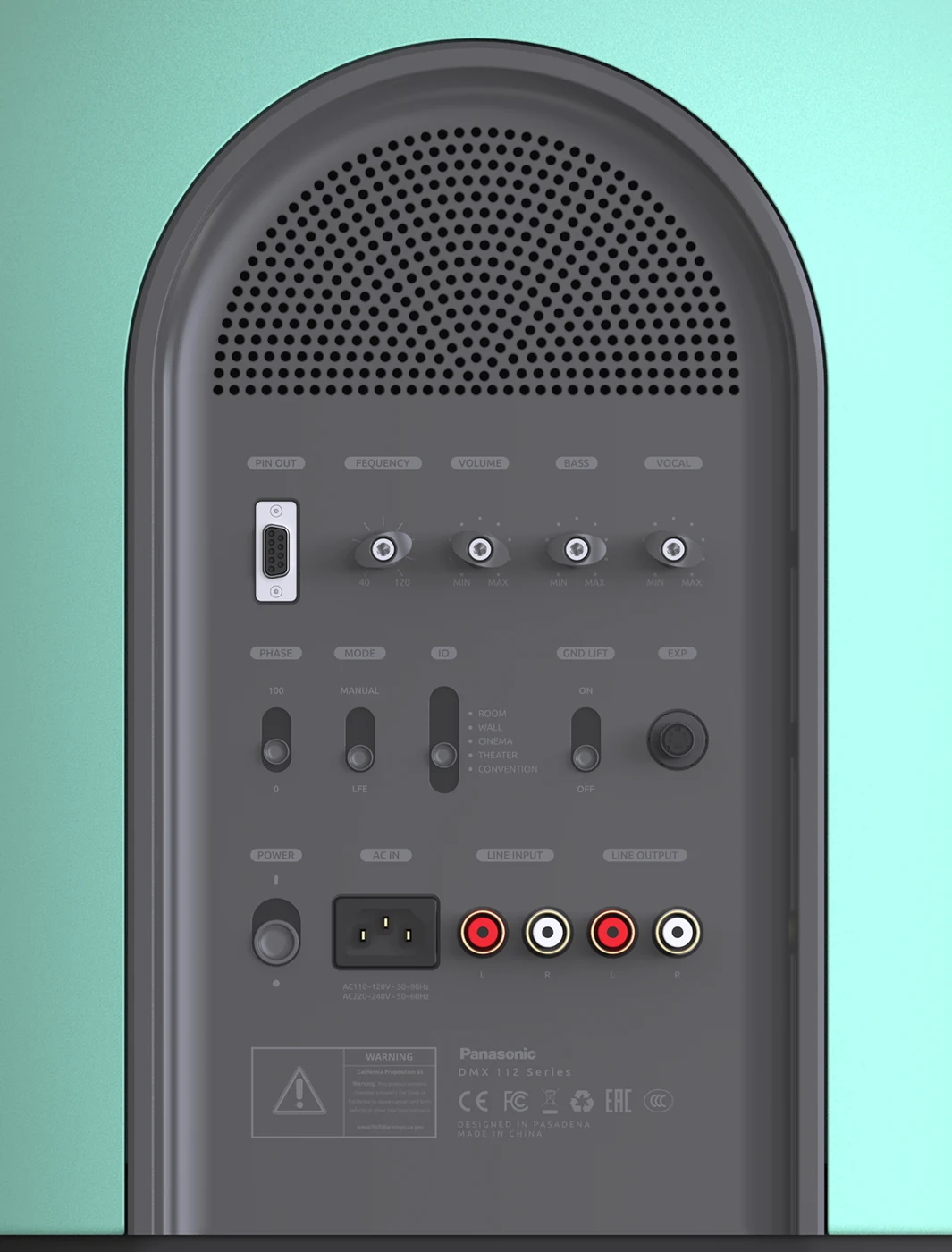
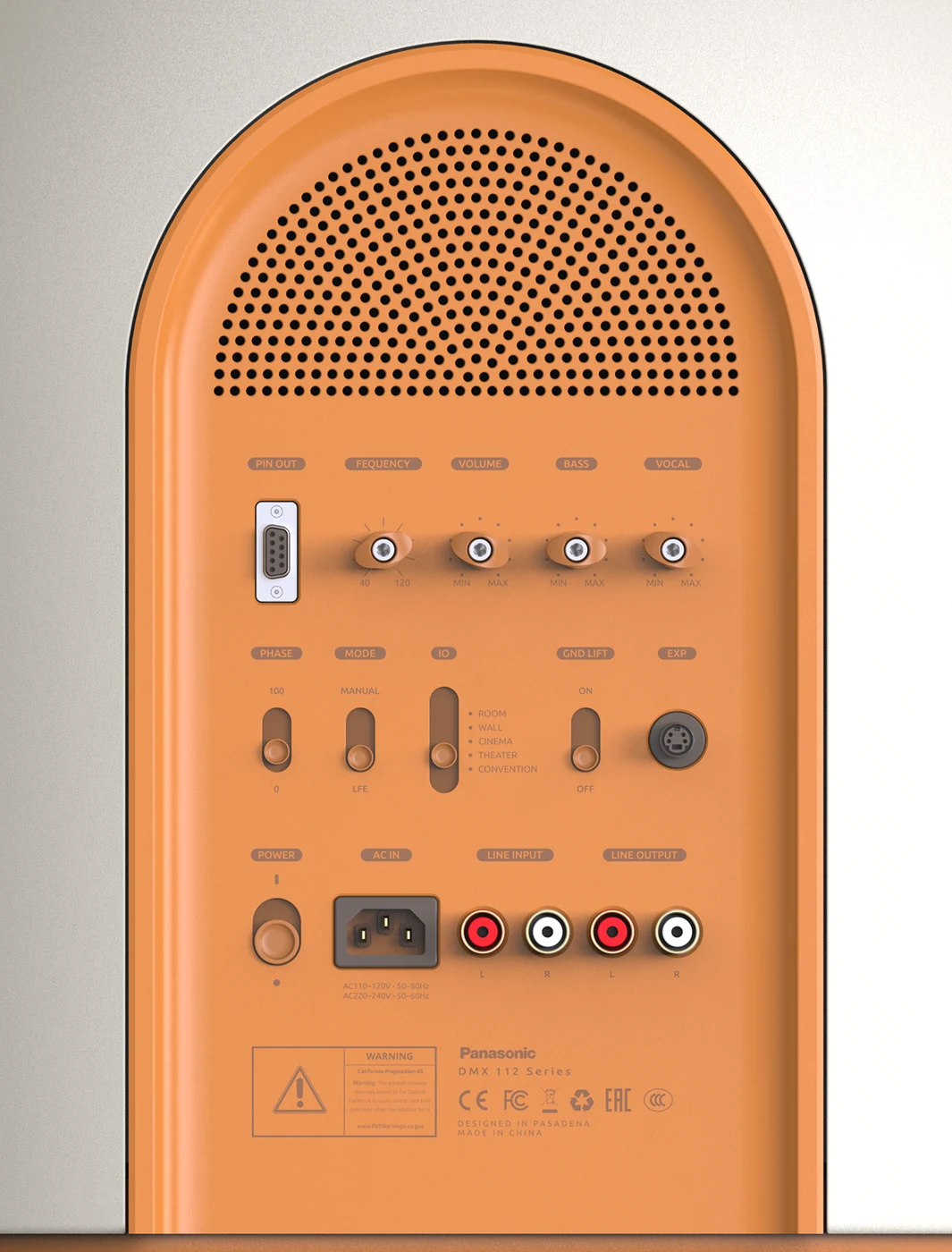
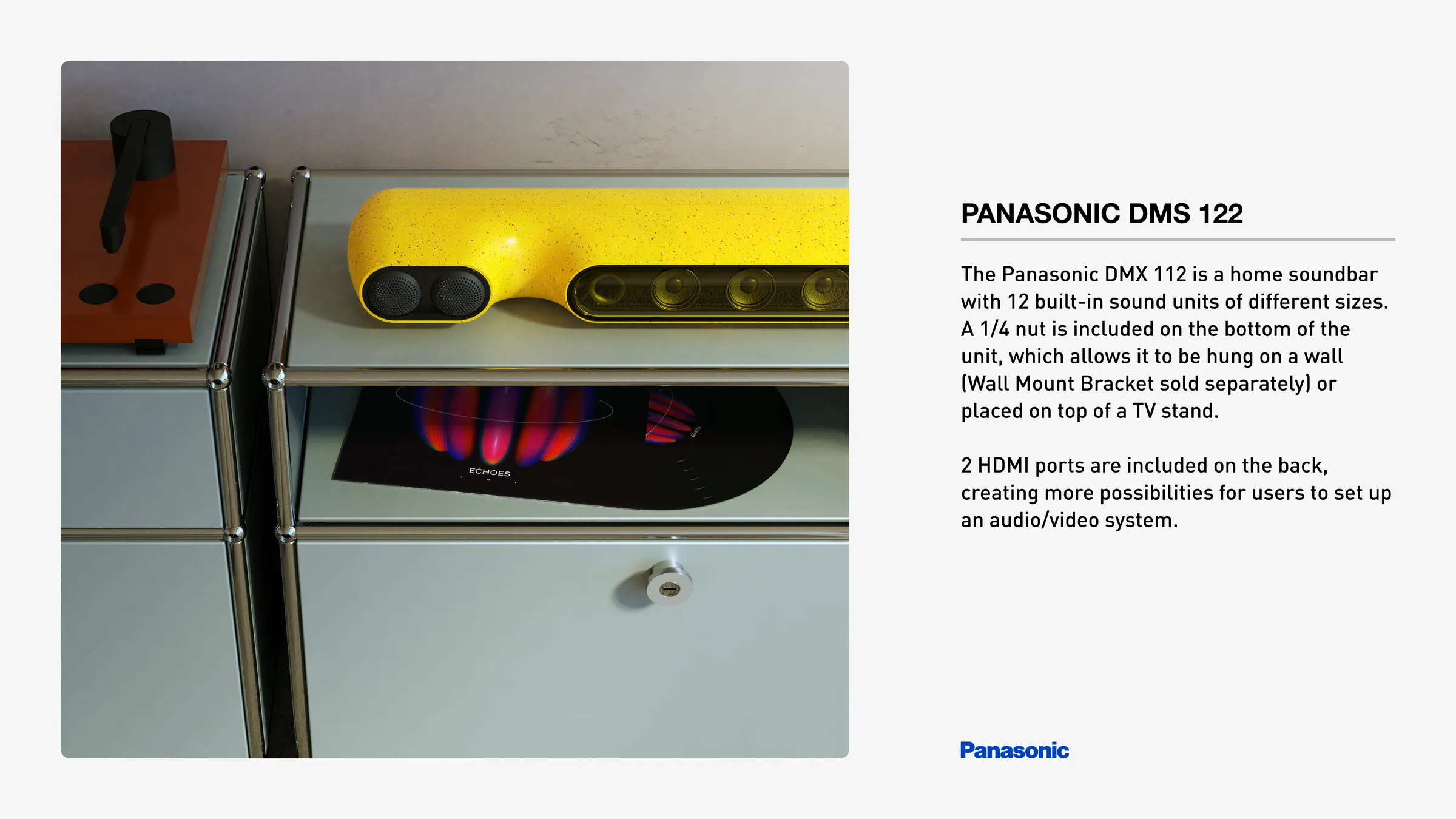
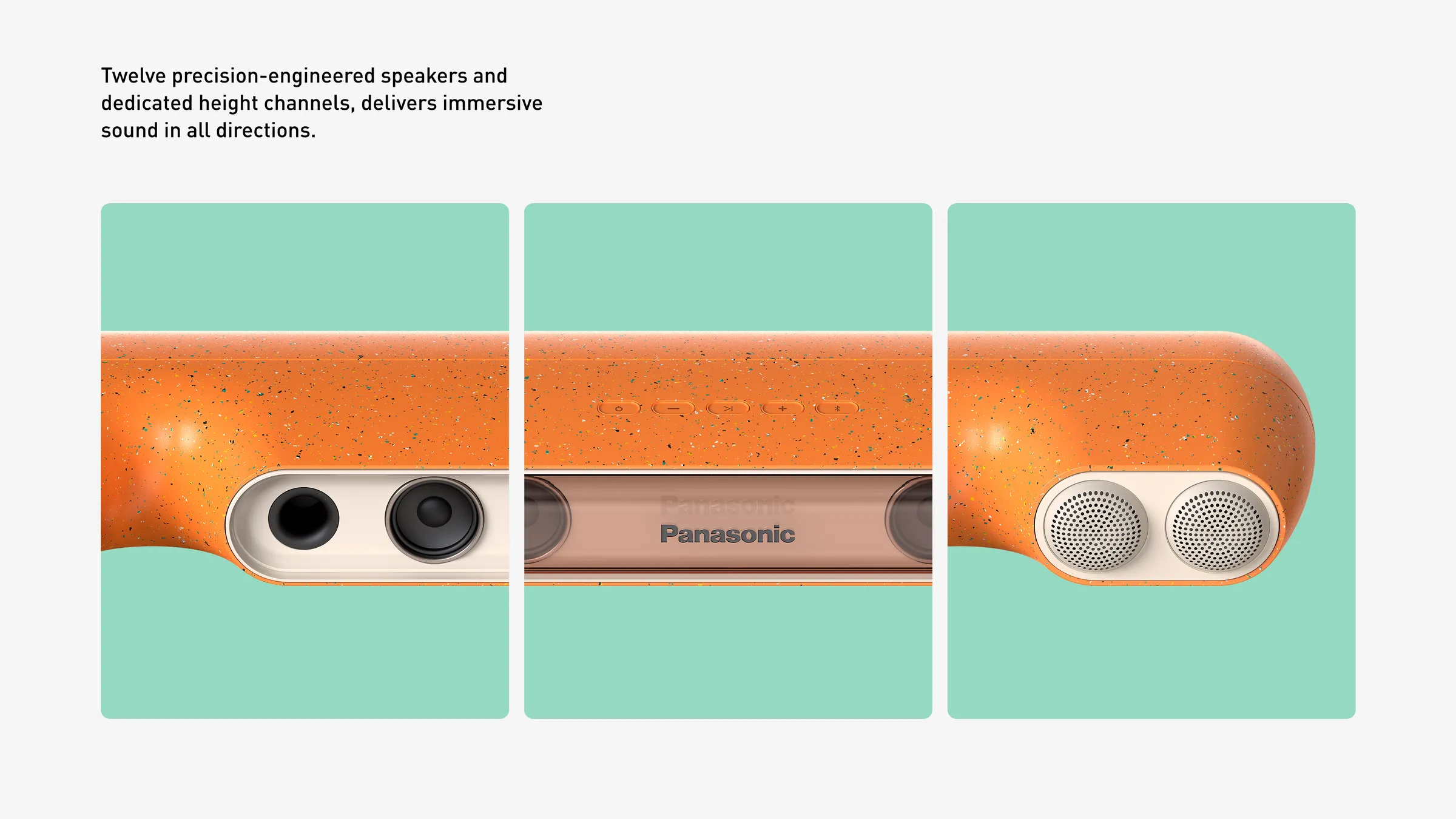
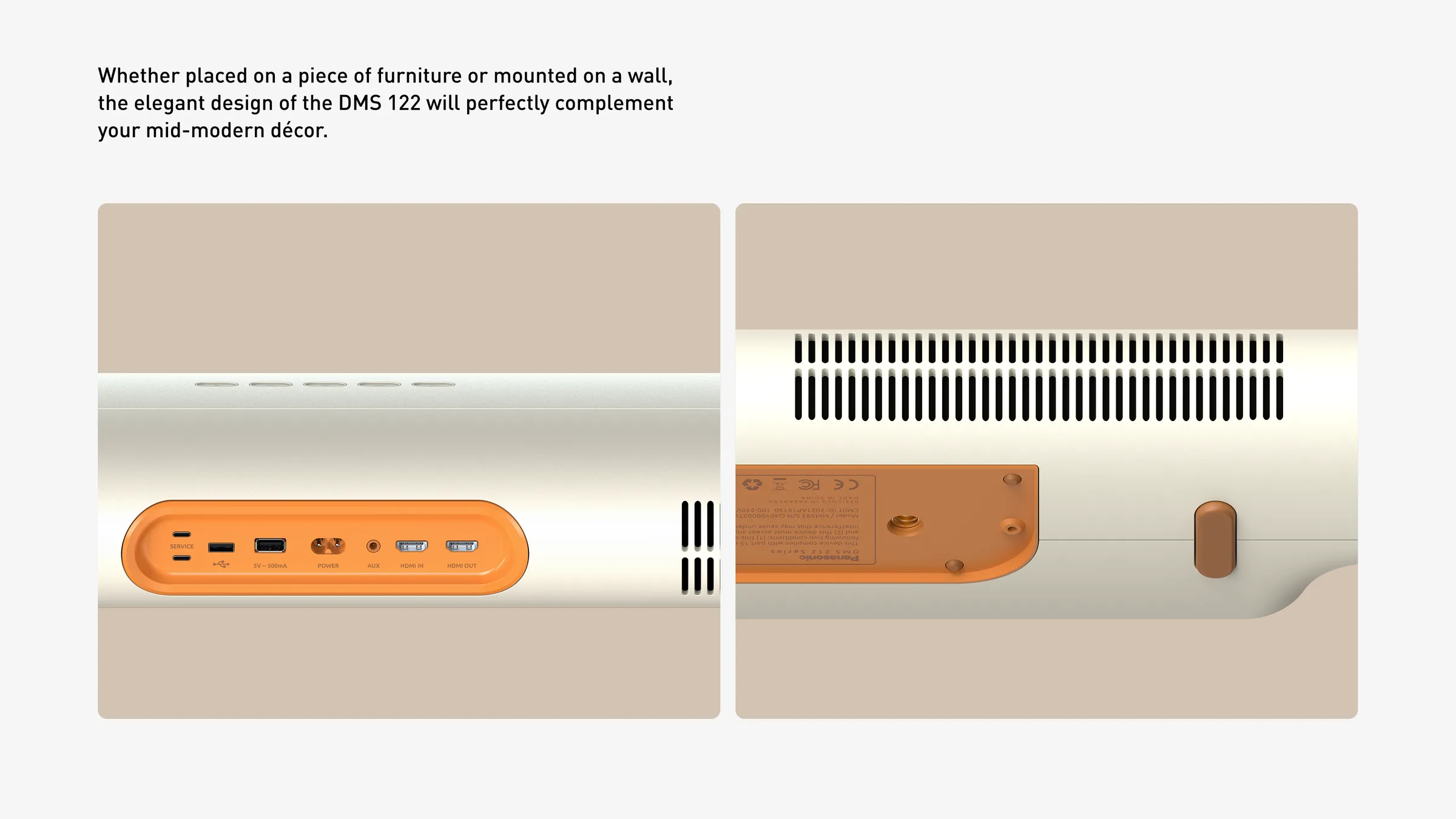
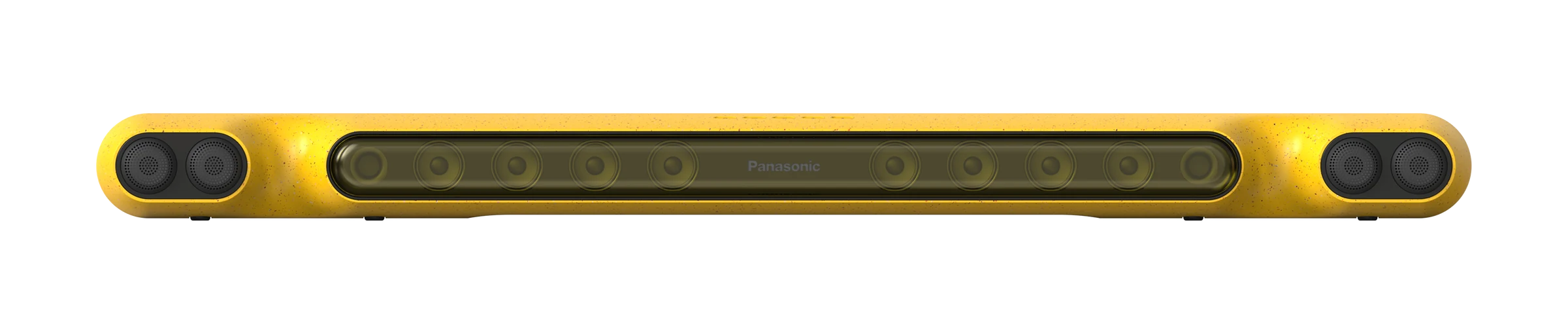
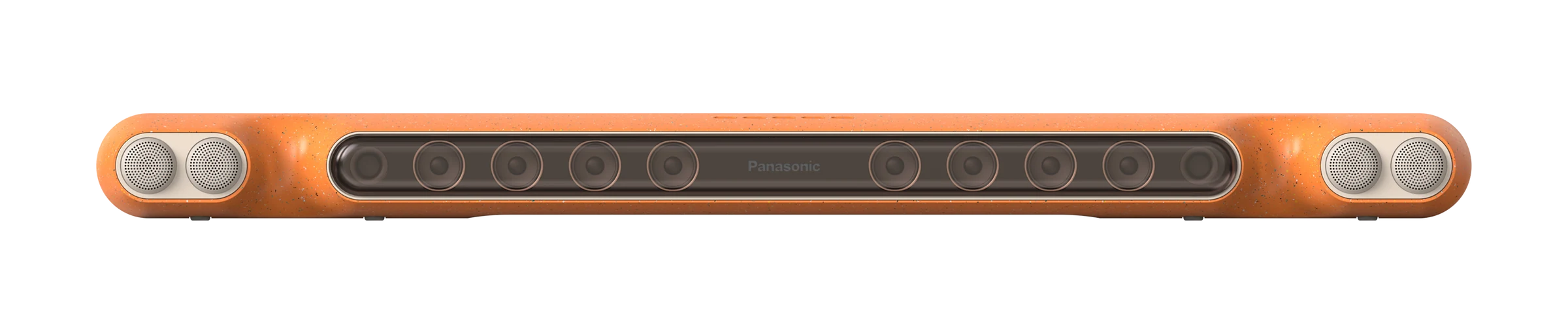
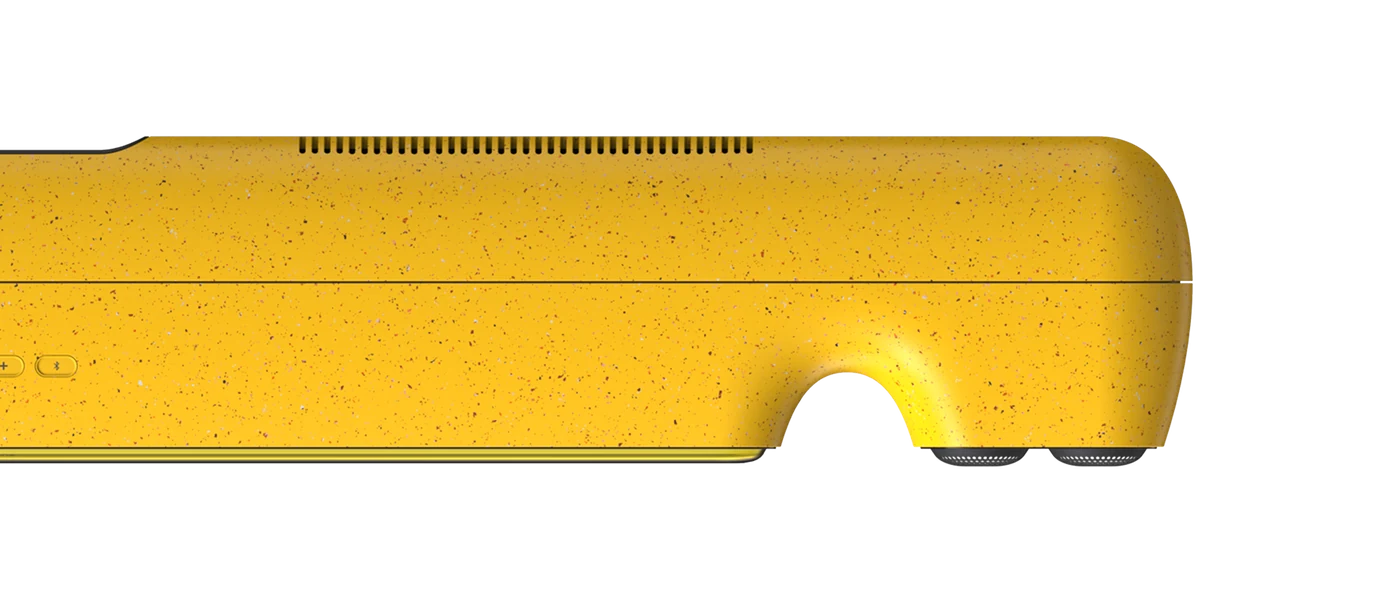
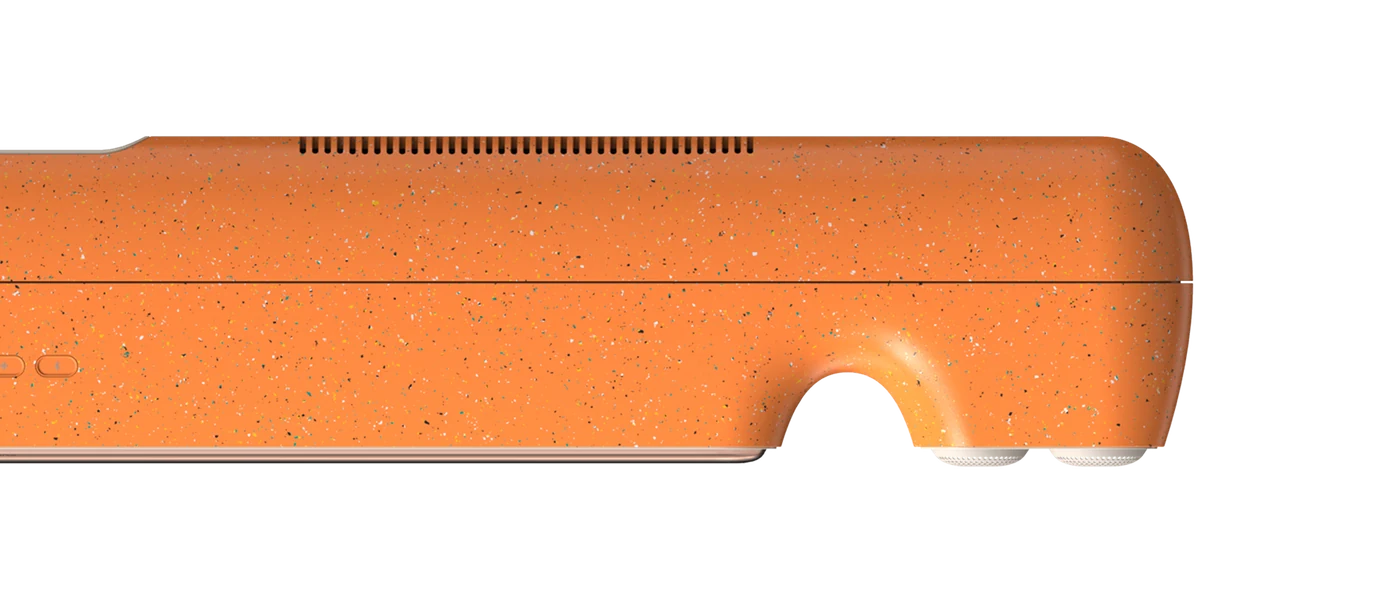
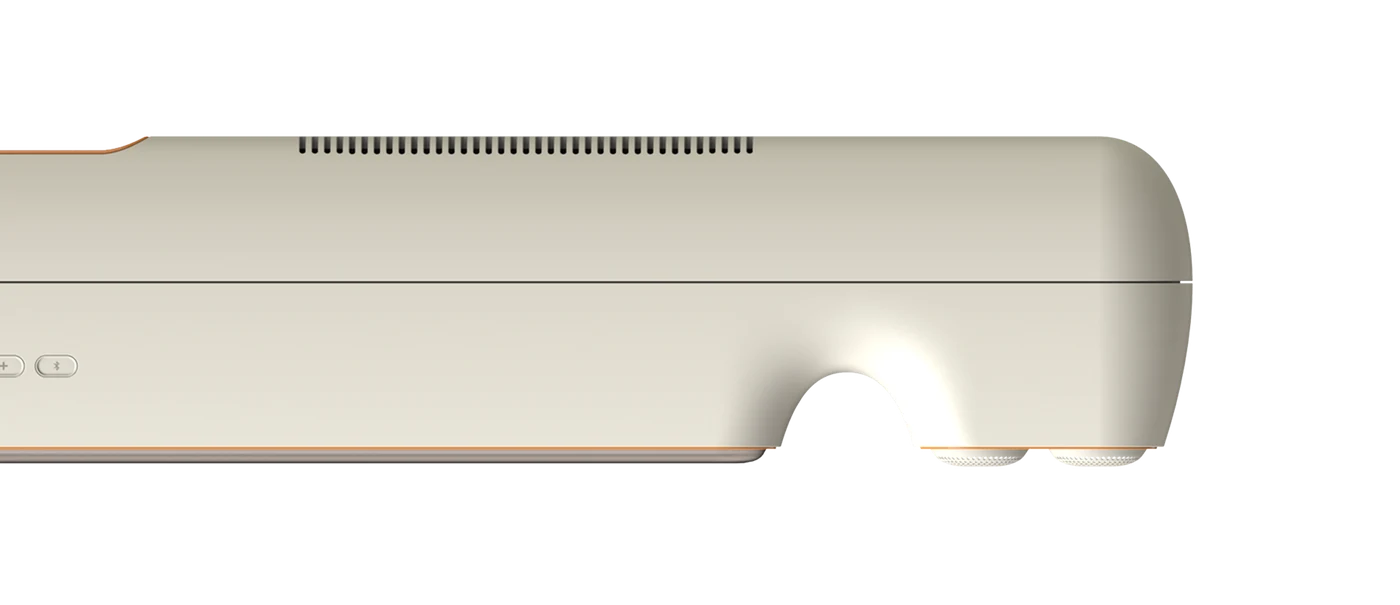
A home stereo system engineered to sit inside mid-century modern interiors rather than beside them: a floor-standing speaker, a subwoofer and a soundbar that read as furniture when the music stops.
Bet you can not...
1918
Panasonic CorporationPanasonic was founded in 1918 by Konosuke Matsushita and is headquartered in Osaka, Japan. The company offers a wide range of products from home appliances and audio-visual equipment to industrial solutions that embody innovation and quality in the electronics industry.
1960s
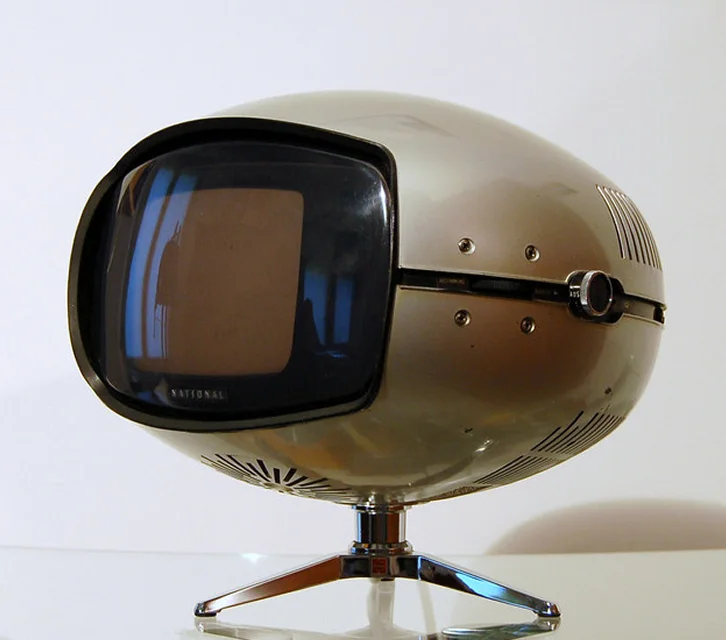
National TR-005 OrbitelThe Panasonic National TR-005 Orbitel, known as the “Flying Saucer” TV, is renowned for its innovative, circular design that embodies the Space Age’s fascination with futurism. This distinctive shape not only made it visually striking but also redefined the television as a compact and portable device.
1967
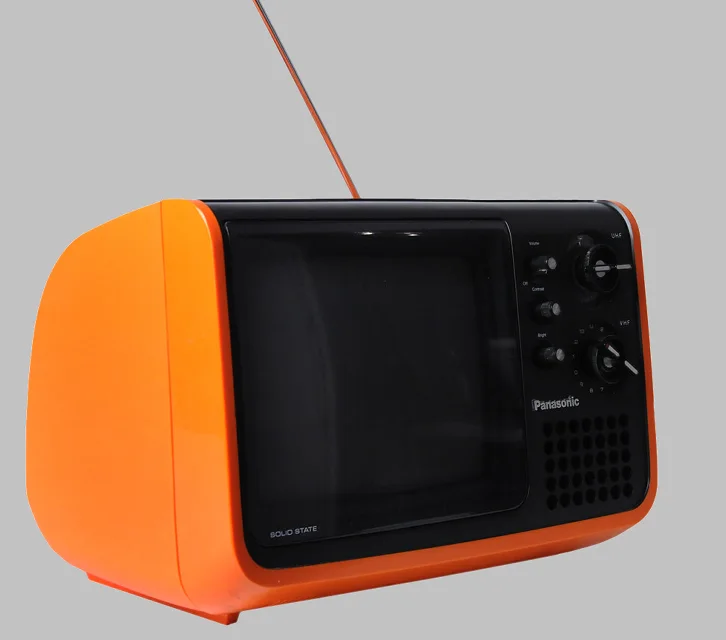
TR-205 Portable TelevisionPanasonic introduced the Starstream in 1967, announcing the death of ugly television. They promoted its portability due to the television’s light weight design (9 1/4 lbs.) and that it was ideal for taking to the beach or a picnic, with a dark tinted screen that reduced glare and reflection.
1970s
Panapet RadioThe quirky ‘Panapet’, produced by Panasonic in 1970 to commemorate the World Expo in Osaka, was a ball-shaped radio that hung on a chain. Two chrome-plated dials on the surface controlled tuning and volume, and the tuning display itself was set into the ball.
1970s
Toot-a-Loop Radio (R-72)The Toot-a-Loop Radio (R-72) by Panasonic, notable for its distinctive donut shape, stands out for its innovative design that merged fashion with function in the early 1970s. It could be worn on the wrist, introducing a novel concept of portability and personal style in consumer electronics.
1970s
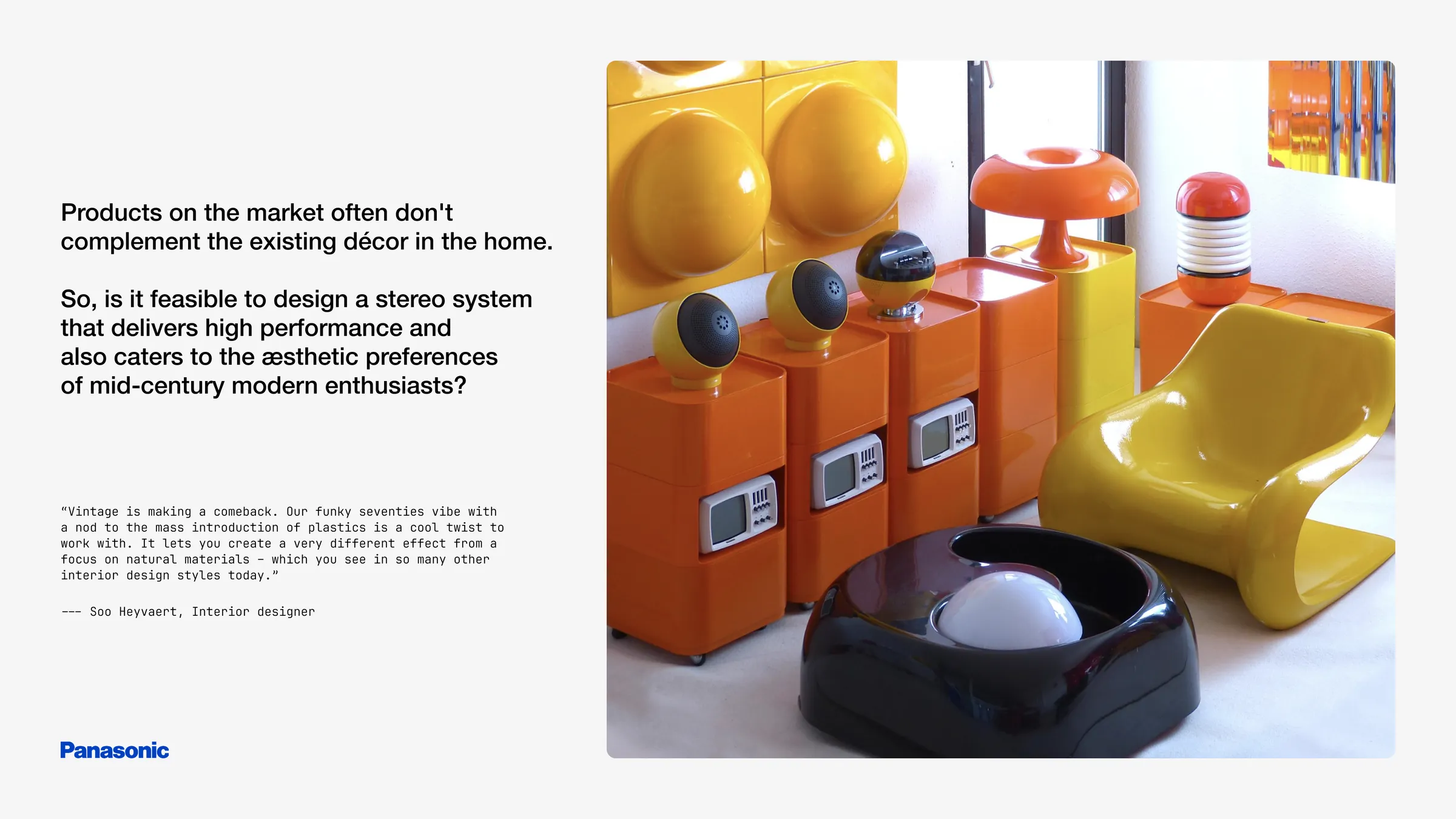
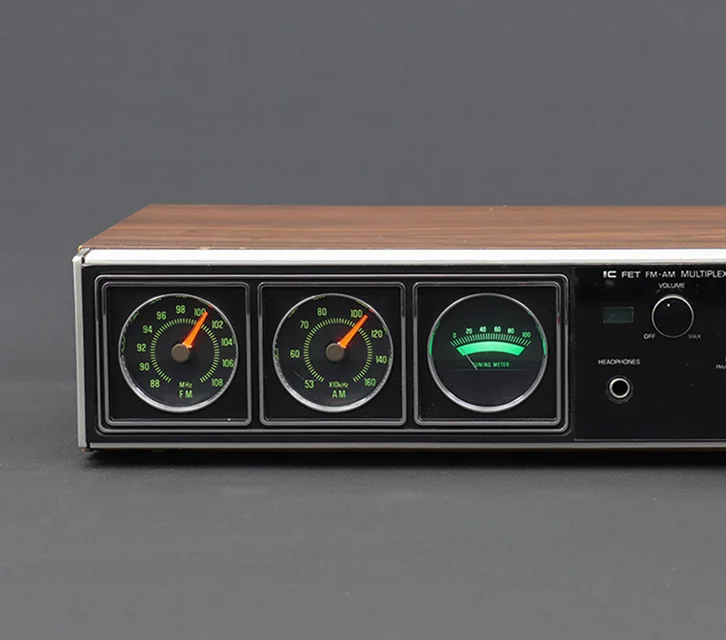
RE-7680 ReceiverThe Panasonic RE-7680 receiver stands out for its seamless blend of advanced technology with a sleek, minimalist design, characteristic of the early 1970s — signalling a shift towards consumer electronics being viewed as part of home decor rather than merely occupying it.
2026
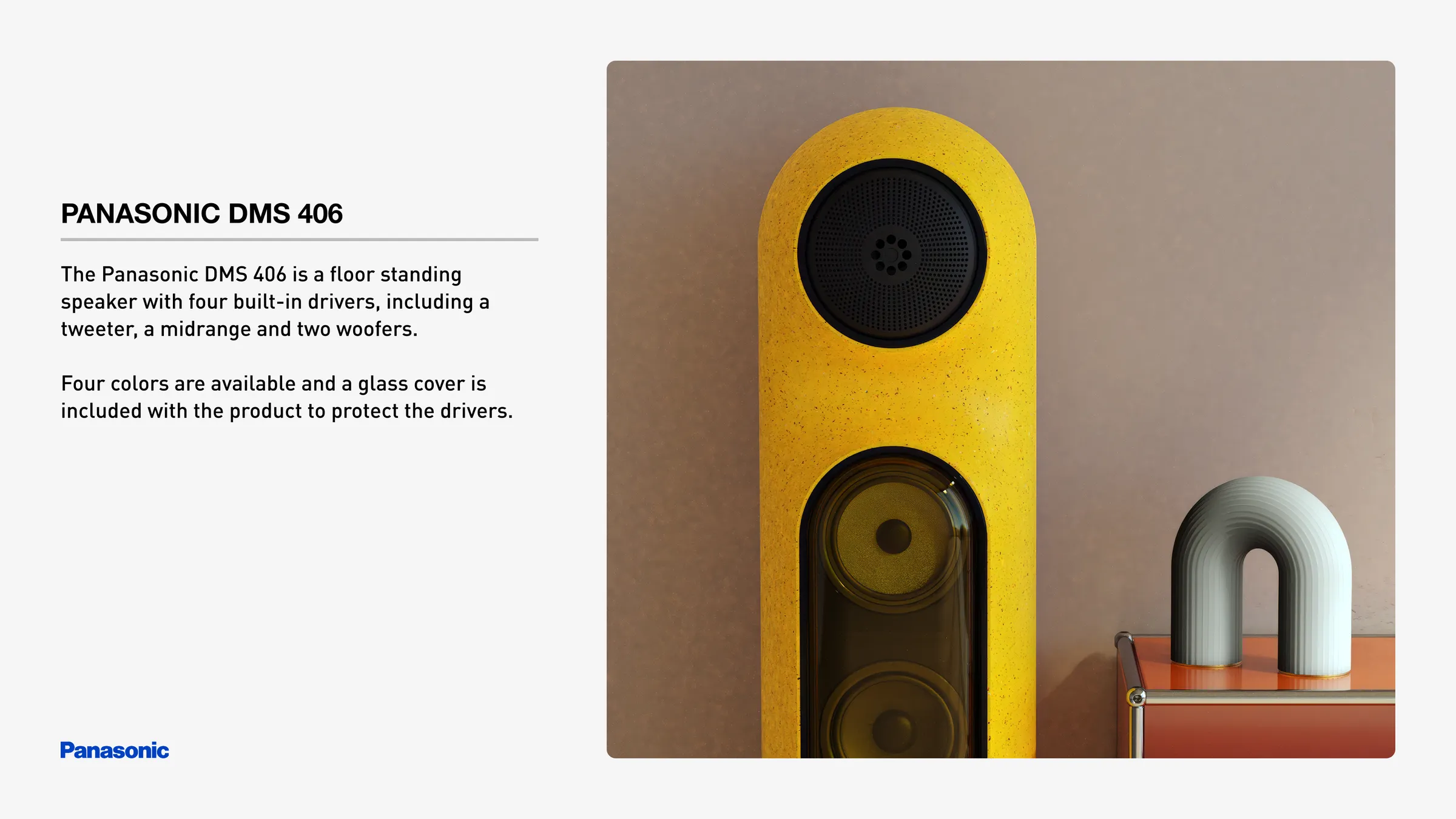
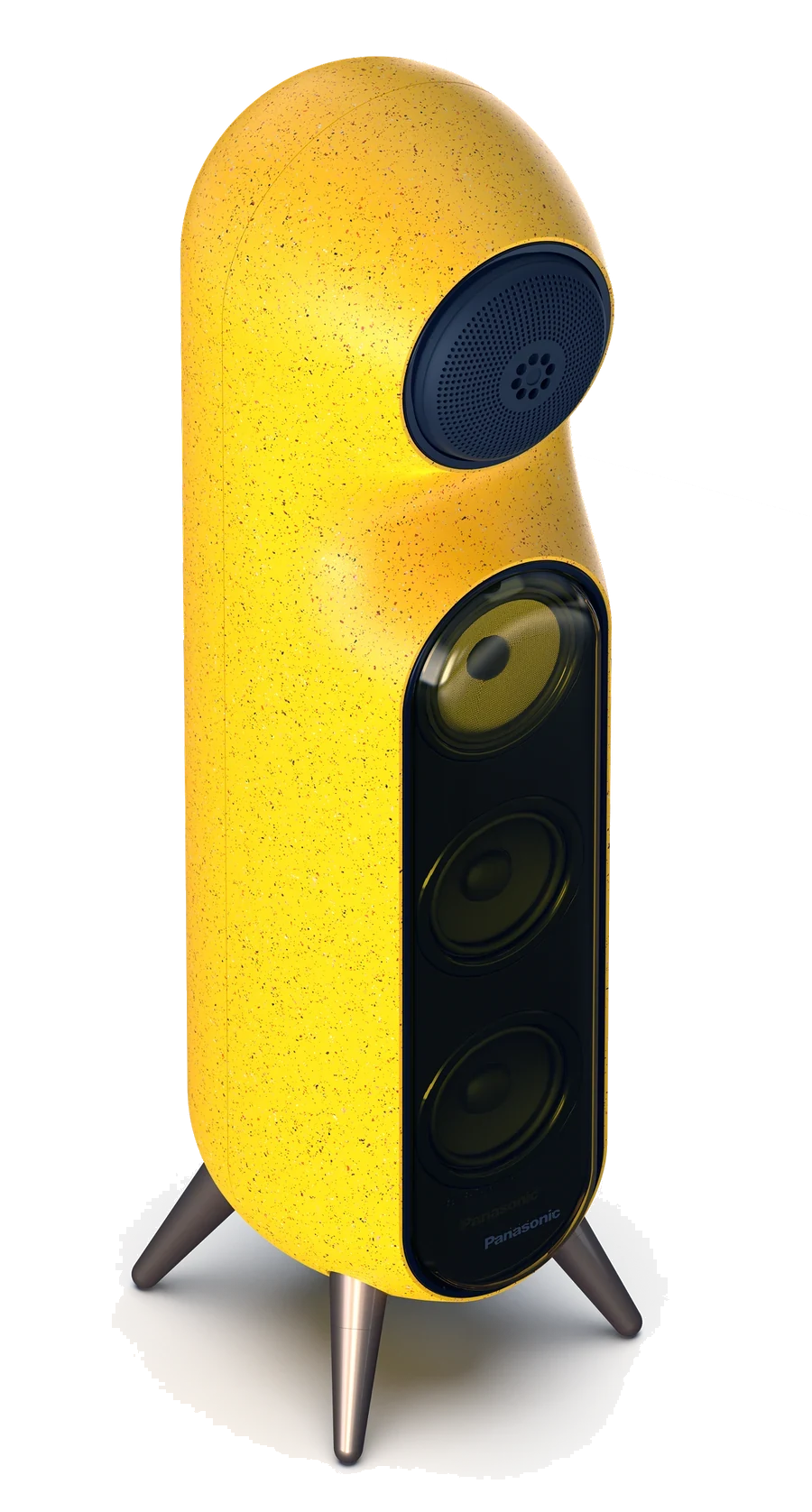
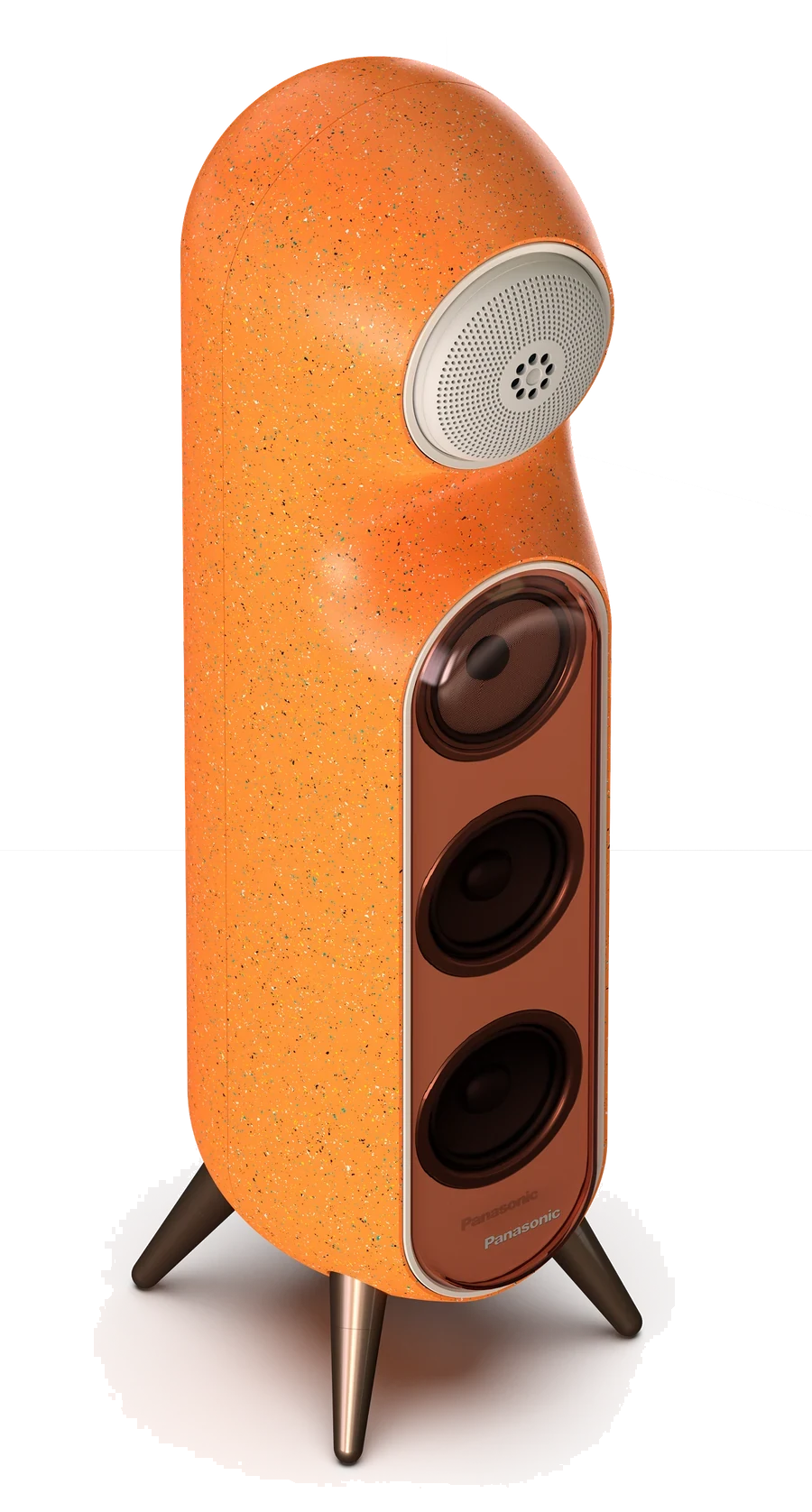
Panasonic DMS SeriesLeveraging its expertise in audio-visual technology and iconic 60s and 70s design, Panasonic is poised to introduce products that blend retro aesthetics with modern functionality, targeting today’s market with a unique fusion of past and present.